Policy changes, but facts endure. AP delivers accurate, fact-based journalism to keep the world informed in every administration. Support independent reporting today. Donate. |
|
|
In the news today: The Border Patrol's secretive program monitoring millions of American drivers nationwide to identify and detain people; Trump signs the bill to release Epstein case files after fighting it for months; and how the House's agenda has been overtaken by punishing lawmakers. Also, a volcanic eruption in Indonesia forces the rescue of more than 170 climbers. A story in Wednesday's newsletter was updated to make clear that Tesla CEO Elon Musk was not technically present at the founding of the company but was an early investor and is listed on the Tesla website as a co-founder. |
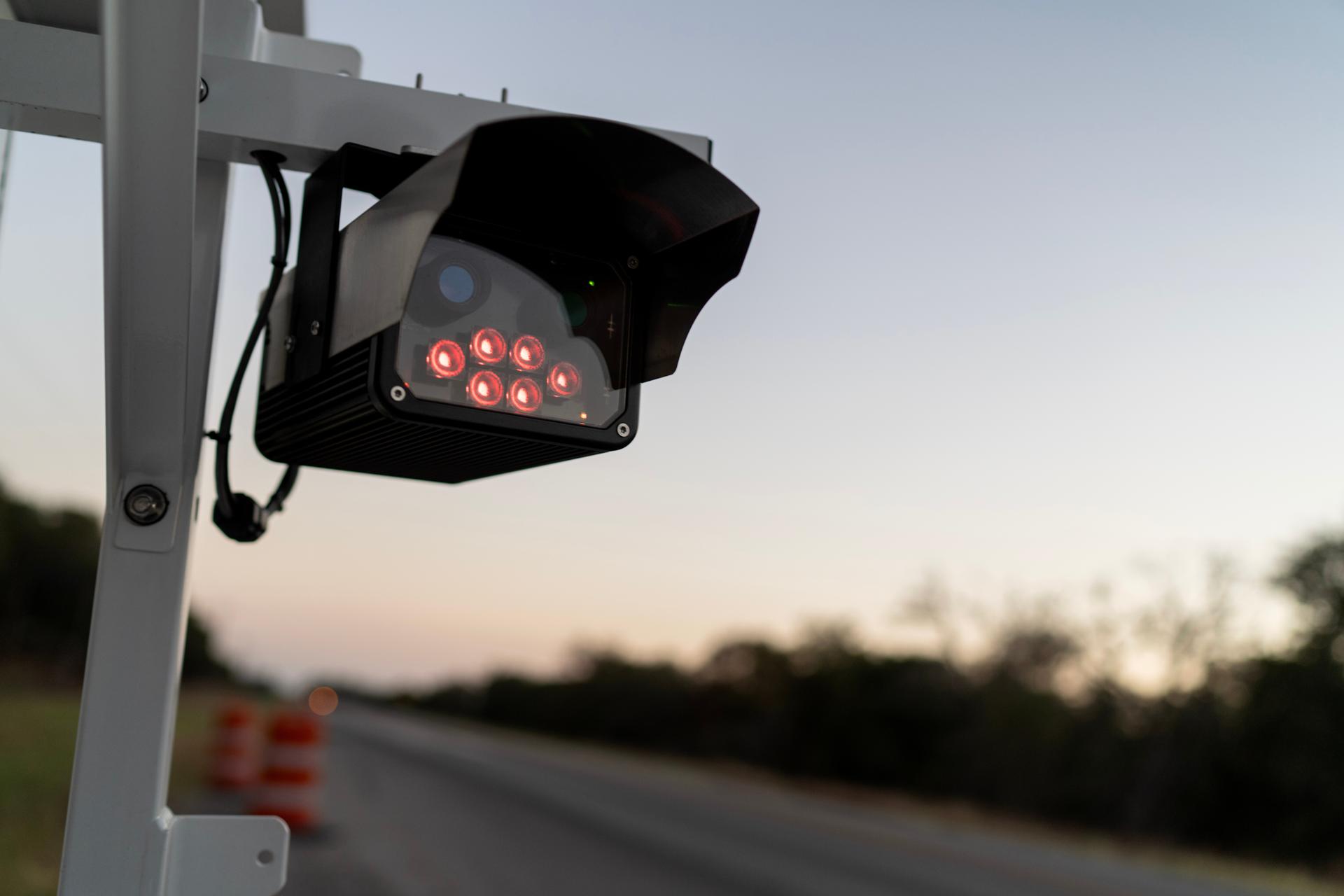
A license plate reader stands along the side of a road, Oct. 15, 2025, in Stockdale, Texas. (AP Photo/David Goldman) |
Border Patrol is monitoring US drivers and detaining those with 'suspicious' travel patterns |
The U.S. Border Patrol is monitoring millions of American drivers nationwide in a secretive program to identify and detain people whose travel patterns it deems suspicious, The Associated Press has found. Read more. |
|
|
- The predictive intelligence program has resulted in people being stopped, searched and in some cases arrested. A network of cameras scans and records vehicle license plate information, and an algorithm flags vehicles deemed suspicious based on where they came from, where they were going and which route they took.
Border Patrol's parent agency, U.S. Customs and Border Protection, said they use license plate readers to help identify threats and disrupt criminal networks and are "governed by a stringent, multi-layered policy framework, as well as federal law and constitutional protections, to ensure the technology is applied responsibly and for clearly defined security purposes."
- While collecting license plates from cars on public roads has generally been upheld by courts, some legal scholars see the growth of large digital surveillance networks such as Border Patrol's as raising constitutional questions. Courts have started to recognize that "large-scale surveillance technology that's capturing everyone and everywhere at every time" might be unconstitutional under the Fourth Amendment, said Andrew Ferguson, a law professor at George Washington University.
|
|
|
Trump signs bill to release Epstein case files after fighting it for months |
President Donald Trump signed legislation Wednesday that compels his administration to release files on convicted sex offender Jeffrey Epstein, bowing to political pressure from his own party. Read more. |
|
|
Trump could have chosen to release many of the files on his own months ago. Now, the bill requires the Justice Department to release all files and communications related to Epstein, as well as any information about the investigation into his death in a federal prison in 2019, within 30 days. It allows for redactions about Epstein's victims for ongoing federal investigations, but DOJ cannot withhold information due to "embarrassment, reputational harm, or political sensitivity."
Both the House and Senate passed the bill with overwhelming margins after Trump reversed course on his monthslong opposition to the bill.
- It's long been established that Trump had been friends with Epstein, the disgraced financier who was close to the world's elite. But the president has consistently said he did not know of Epstein's crimes and had cut ties with him long ago.
|
|
|
House gets back to work and quickly falls into cycle of punishing its own |
The U.S. House is back in session after a multi-week hiatus, but its agenda has been overtaken by a sudden flurry of censures, reprimands and the investigation of members, leaving little bandwidth for legislating. Read more. |
|
|
With few bills to consider — and no quick fix for the problem of skyrocketing health insurance premiums — the House has instead devoted time to lawmakers' demands to punish each other for their personal and political transgressions in showy spectacles on and off the chamber floor.
There have been at least a half-dozen efforts this year to censure or other reprimand lawmakers, largely from Republicans seeking to punish Democrats — though Democrats have been retaliating with their own threats to file actions against Republicans.
|
|
|
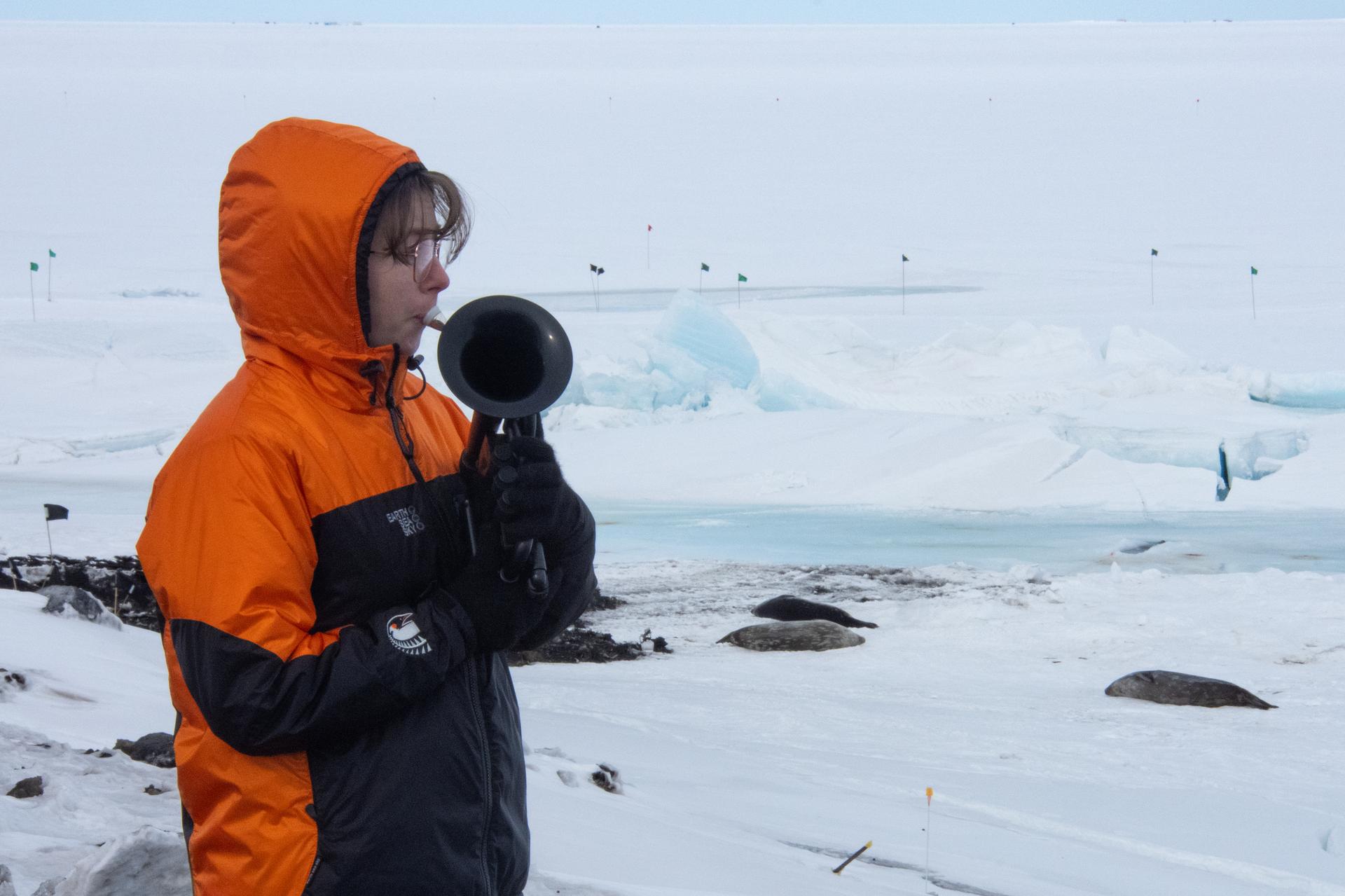
In this photo provided by Antarctica New Zealand, Natalie Paine plays a plastic French horn at Scott Base in Antarctica, Sunday. (Anthony Powell/Antarctica New Zealand via AP) |
On the world's coldest stage, a military musician plays a plastic horn with double gloves
In Antarctica, staying in practice as a professional musician takes ingenuity, grit and a plastic instrument for schoolchildren that's guaranteed not to freeze to your fingers or face. Natalie Paine is a French horn player in New Zealand's navy who since October has been among 21 military members stationed in Antarctica. Her melodies drift across the frozen Ross Sea from perhaps the most remote practice room on Earth. |
|
|
Please let us know what you think of this newsletter. You can sign up for more and invite a friend here. For news in real time visit APNews.com. - Mark |
| |
|
Please let us know what you think of this newsletter. You can sign up for more and invite a friend here. For news in real time visit APNews.com. - Mark |
| |
|
*Advertisers have no control over editorial decisions or content. If you're interested in advertising, contact us here. |
|
|
|