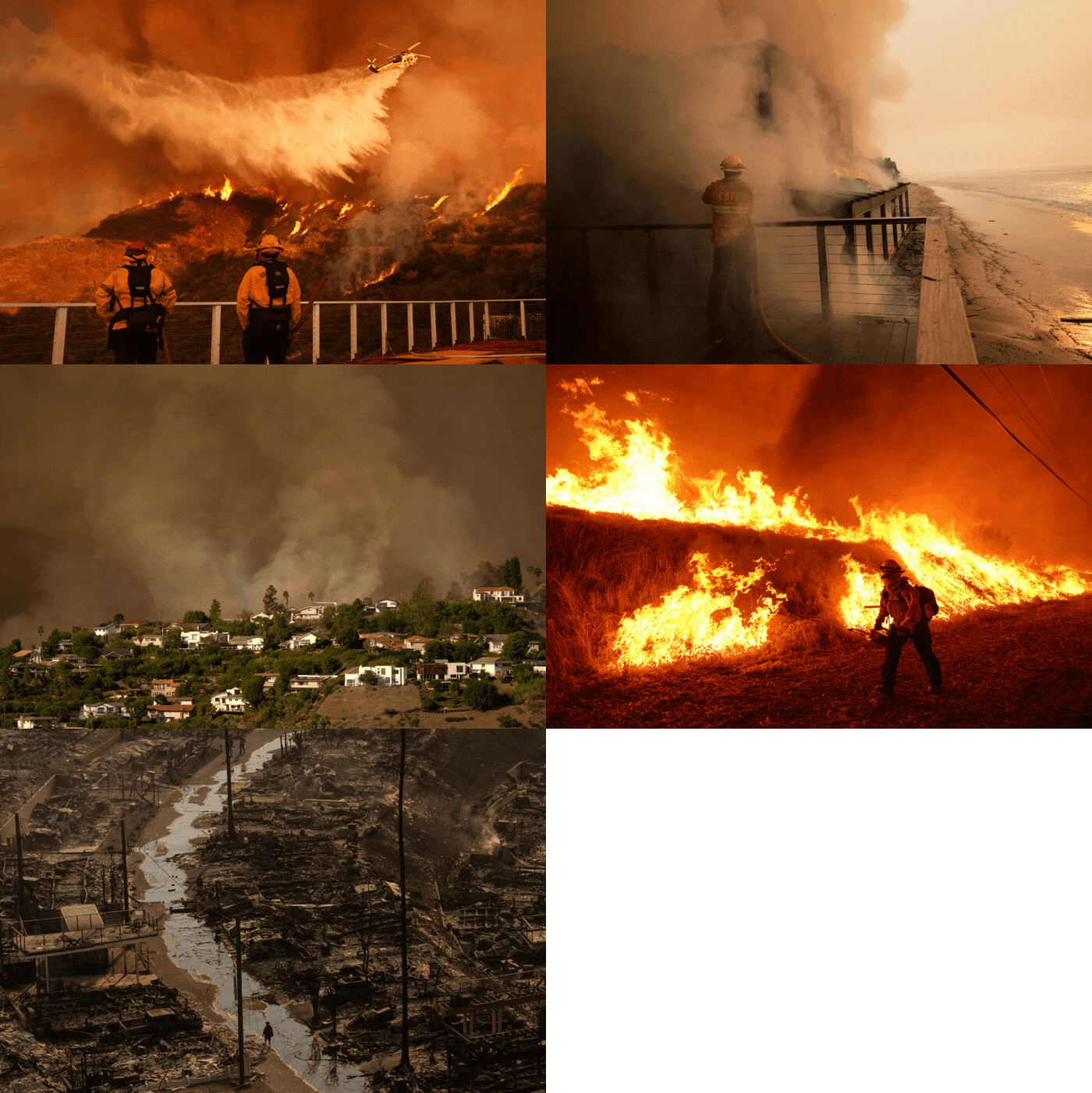
A GIF of photos of the Los Angeles wildfires. (AP Photos/Jae C. Hong) |
When wildfires tore through Los Angeles in January, AP
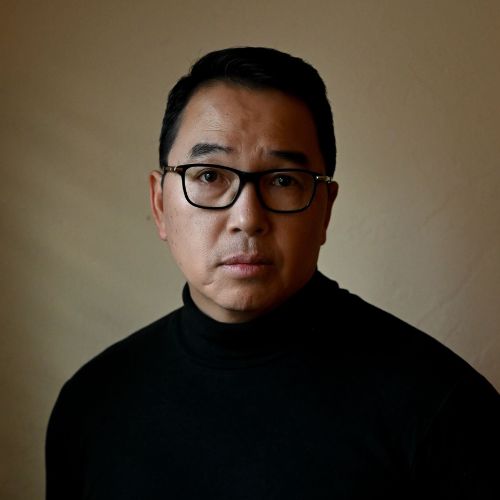
photojournalist Jae C. Hong was on the ground. Here's what he said: It was a couple of hours before sunrise on Jan. 9 when I drove through toxic air and silence, two days after the wildfire devastated Pacific Palisades. A mix of adrenaline and anxiety made me uneasy, and I kept telling myself to stay calm. I've covered many disasters, but I had never seen damage like this. My job was to make images that could show the immense loss.
I drove for hours, circling the same charred neighborhoods. I felt a growing sense of desperation. I work for The Associated Press, and our work moves fast. On an assignment like this, I don't get a full day to make one perfect photo. I stop, shoot, send the picture and move on. I did that over and over while asking myself, "How can I show all of this in one image?"
Then I found it. A mobile home park overlooking the Pacific Ocean was completely leveled. The contrast was jarring — the peaceful blue water against the smoldering devastation. Smoke still rose into the sky, and driveways had become puddles of water, signs of the massive effort to save these homes.
I knew this was the place, but the photo needed a human figure in the scene to tell the story. A person would help readers read the scene the right way — their stance and smallness against the ruins. All of that would show scale and emotion. I wanted the image to carry empathy, not just impact.
So I waited, with a doubt that I'd see anyone, especially with checkpoints blocking the roads into the neighborhood. I wasn't sure how long I stood there. I stayed focused, watching the scene through my camera.
Finally, a person appeared at the far end of the lane, moving slowly toward the ocean, past what once were homes. They didn't seem to look at anything. They were walking with a helpless posture. I made several frames from a distance with my telephoto lens until they disappeared from my viewfinder.
It was the end of my first day at the fire, and the beginning of aftermath coverage that continued through February. |