AP is a not-for-profit organization. Your donation supports independent reporting that serves the public interest, not corporate shareholders. Donate today.
|
|
|
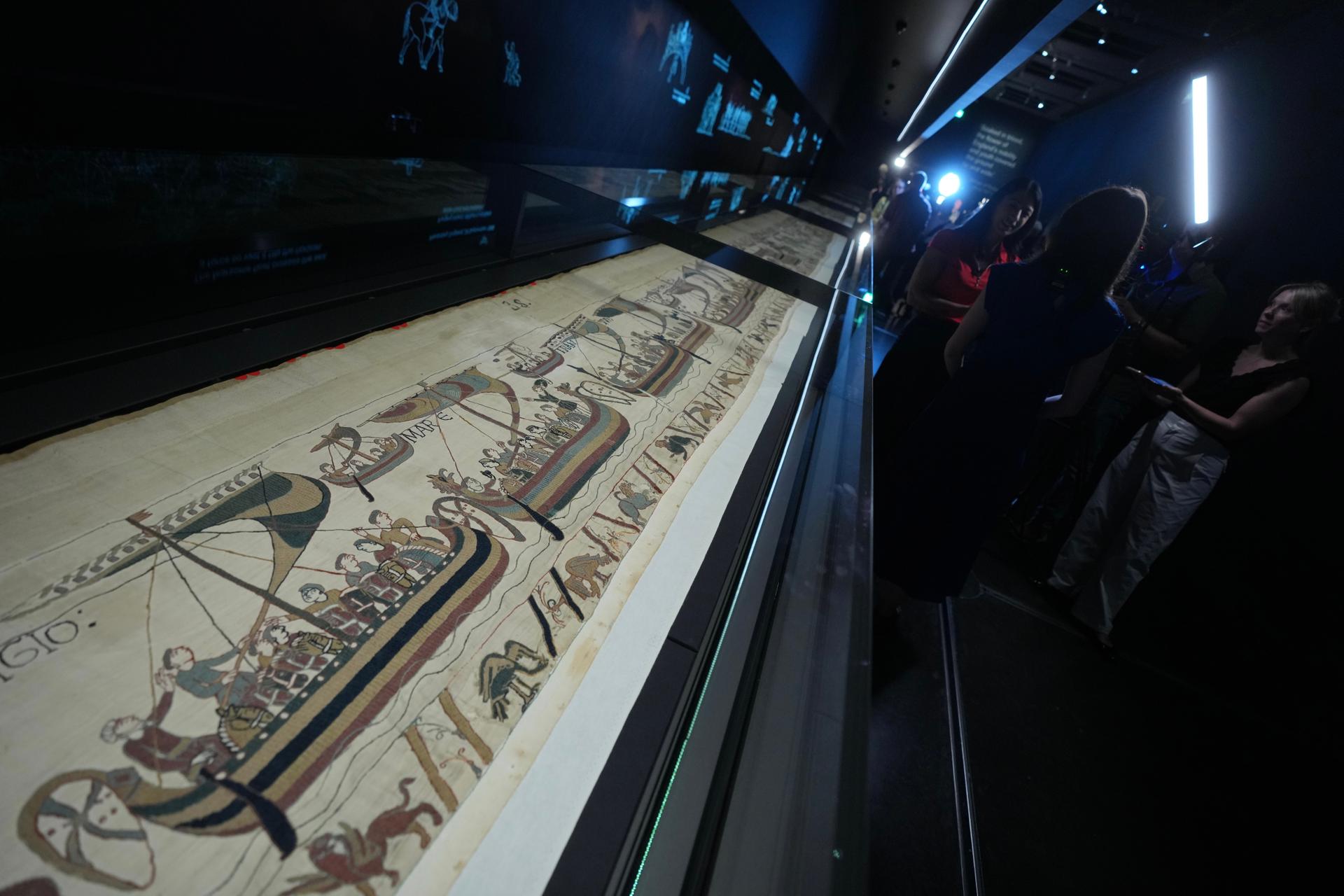
Welcome back. After a long holiday weekend, there's no shortage of headlines to catch up on. In the news today: Canada’s retaliatory tariffs take effect; in a major escalation, Houthi attacks wound 73 people in Saudi Arabia; and a far-right victory in Germany reverberates across Europe. Also, the Bayeux Tapestry is back on British soil after nearly 1,000 years.
|
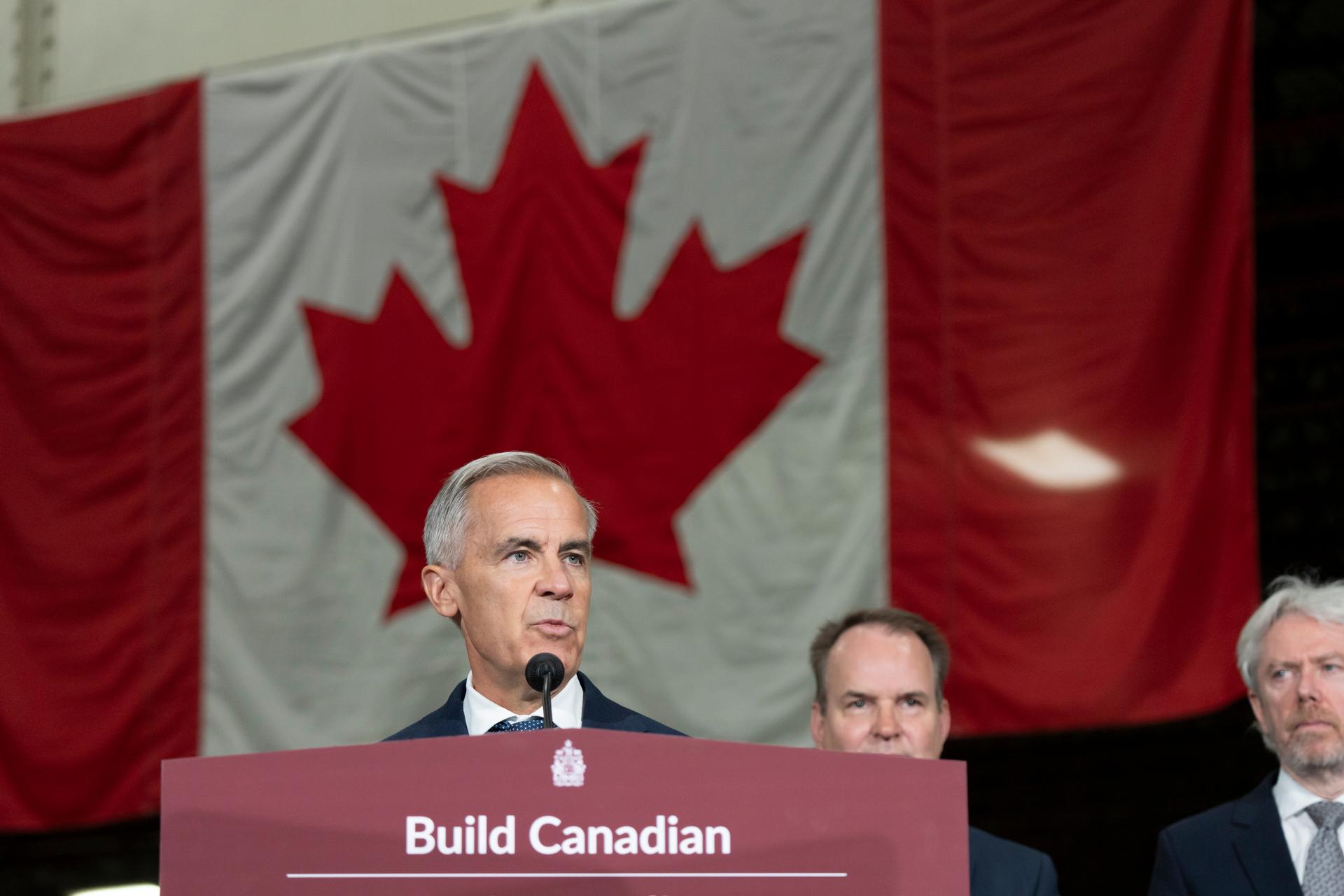
Prime Minister Mark Carney speaks at the Alstom Plant in Thunder Bay, Ontario, Canada, on Sept. 3. (David Jackson/The Canadian Press via AP)
|
Canada’s retaliatory tariffs on $20 billion worth of US goods take effect
|
Canada struck back at President Donald Trump on Tuesday with tariffs in an escalating trade war with the U.S. The tariffs hit hundreds of American products, including steel, aluminum, cheese, appliances, clothing, cosmetics and farm equipment, at rates of 15%, 25% or 50%. Read more.
|
|
|
|
- The current trade war began after Trump returned to office and imposed a series of tariffs on Canadian goods despite having negotiated and repeatedly praised the North American trade agreement during his first term. Many of those tariffs violate the pact.
The outcome could resonate far beyond Canada, showing other governments whether a smaller U.S. ally can withstand Trump’s economic pressure. RBC Economics, the research arm of the Royal Bank of Canada, said the measures were unlikely to dent U.S. growth overall but could hit some businesses hard.
|
|
|
Houthi attacks on Saudi Arabia ignite fires at oil facilities and wound 73 people, officials say
|
The attacks early Tuesday hit “civilian and economic facilities,” Maj. Gen. Turki al-Malki, a spokesperson for the Saudi-led coalition fighting in Yemen, said. The Houthis claimed responsibility for the strikes, saying they were in response to recent Saudi attacks on the rebels across Yemen. Read more.
|
|
|
The flare-up delivered a new jolt to a region already mired in conflict, bringing more uncertainty for the global economy. The fighting between Saudi Arabia and the Houthis threatens to squeeze shipping through the Bab al-Mandeb strait, a critical route off the Arabian Peninsula for oil and global trade. It also comes at a time when the Iran war has nearly halted shipments through the Strait of Hormuz, a key waterway that moved about one-fifth of the world’s oil before the war.
|
|
|
German vote shows rise of far right in Europe, but it hasn’t been a steady march
|
The first victory of the Alternative for Germany in a state election has renewed fears of an ascendant far right in Europe, as voters repeatedly vent discontent and mainstream leaders grapple with myriad crises, from affordability to Russian aggression. Read more.
|
|
|
But while anti-immigrant, pro-Russian parties have made inroads across the continent in recent years, there have also been notable reversals, and some have softened their views to build coalitions with moderates. Still, far-right leaders from Portugal to Austria celebrated the AfD’s win as they prepare for elections across Europe in the coming months. These will show whether the German vote was a watershed moment in the demise of an anti-fascist consensus dating back to World War II, or the latest in a series of elections worldwide in which frustrated voters simply cast out incumbents.
|
|
|
The Bayeux Tapestry is displayed at the British Museum in London, Monday. (AP Photo/Kin Cheung)
|
|
|
|
That's all for today. Know someone who would enjoy Morning Wire? Forward this newsletter to them. They can also sign up here. - Nadja
|
|
|
|
|
That's all for today. Know someone who would enjoy Morning Wire? Forward this newsletter to them. They can also sign up here. - Nadja
|
|
|
|
|
*Advertisers have no control over editorial decisions or content. If you're interested in advertising, contact us here.
|
|
|
|
|