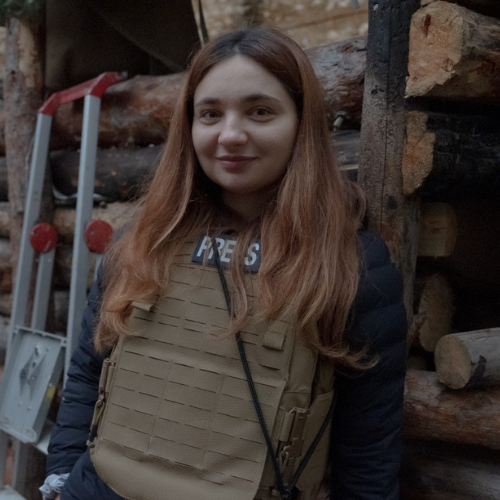
More than three years since Russia invaded Ukraine, AP journalists are still on the ground. Here's what AP reporter Hanna Arhirova said:
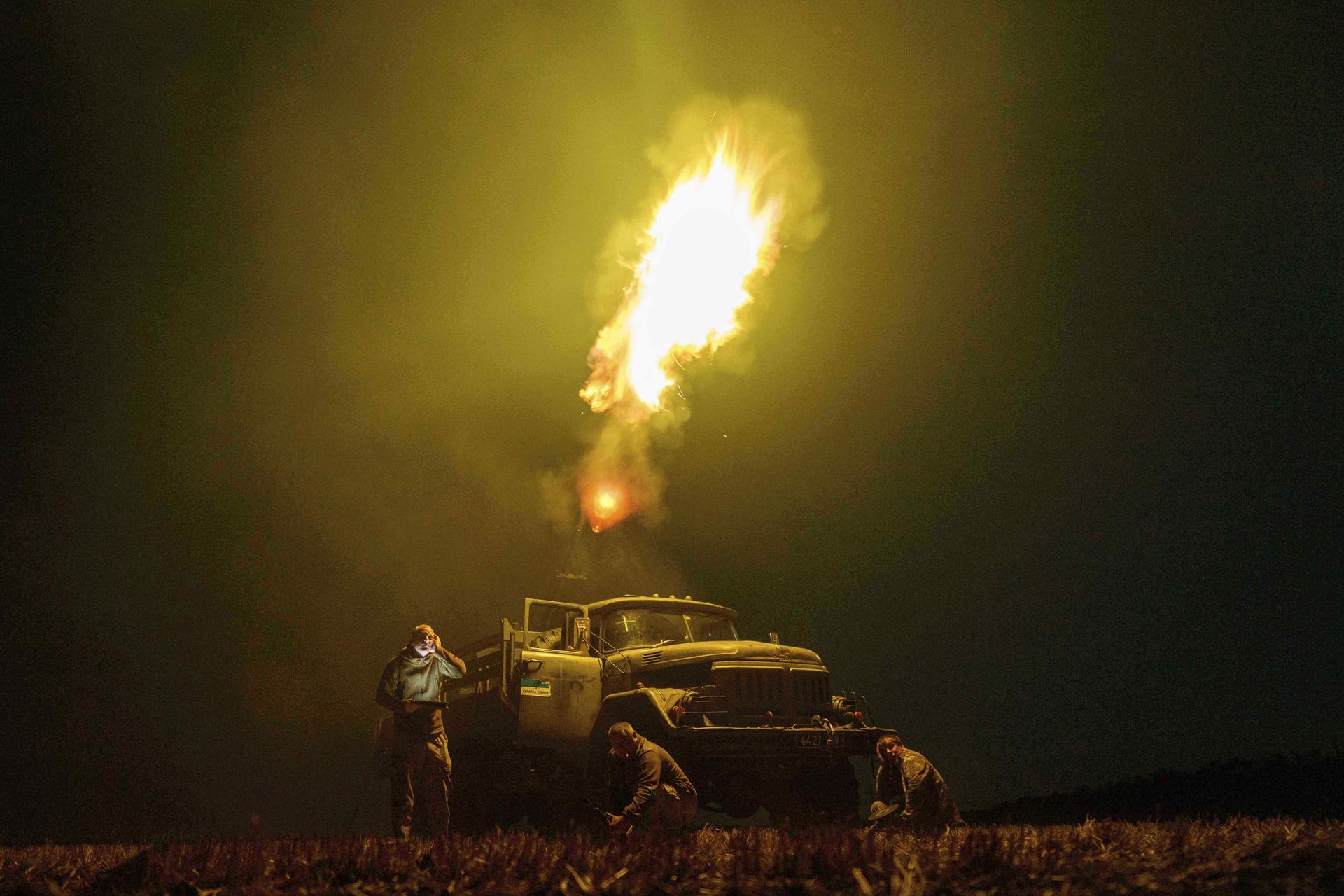
When President Donald Trump announced he would meet Russian leader Vladimir Putin in Alaska in August, our Associated Press team was on the front line in eastern Ukraine — where the fighting was fiercest.
While our colleagues in Alaska covered the high-level meeting, we stayed with the soldiers facing Russia's advance, determined to show what the war looked like in real time.
The meeting between the two leaders wasn't happening in isolation — not while bombs were still landing and lives were being lost. For us, it was also about ensuring that the human voices from the front could be heard amid the language of politics.
Our team worked almost around the clock, for a week. Nearly every night, we joined soldiers who have been holding the line for years. We were there to witness, firsthand, that the intensity of the war hadn't eased, no matter what the Russian leader wanted to portray to the world.
We traveled only at night — daylight made every vehicle an easy target for drones. At one point, while recording an explainer with my colleague from a well-fortified trench, we suddenly heard the sharp whistle of a mortar above our heads. We dropped instantly to the ground, bracing for fragments. This time, we were lucky — the round exploded farther away. We stood up, brushed off our flak vests, and kept filming. That video is still available for AP viewers, a reminder that we always verify what we report through direct experience.
In one story, we showed daily life for soldiers facing Russian advances, glide bombs, and relentless artillery in the Donetsk region — with nothing to suggest the fighting would end soon. In another, we covered the work of medics struggling to save wounded troops, their work made harder by high-tech drones that are now threatening every evacuation.
We risk our lives so our readers can see the truth for themselves.