Advancing the Power of Facts
|
|
|
Policy changes, but facts endure. AP delivers accurate, fact-based journalism to keep the world informed in every administration. Support independent reporting today. Donate today.
|
|
|
Good afternoon and welcome to your afternoon news update from AP. Today, a federal appeals court has blocked a California law requiring federal agents to wear identification; President Donald Trump’s Cuba threats revive exile hopes and fears over property claims; and Boston-area environmental organizations want sewage releases into waterways to end.
|
Law enforcement responds to protesters after federal immigration authorities conducted operations in Paramount, Calif., in June 2025. (AP Photo/Eric Thayer)
|
Federal appeals court blocks California law requiring federal agents to wear identification
|
An appeals court has blocked a California law passed in 2025 requiring federal immigration agents to wear a badge or some form of identification. The Trump administration filed a lawsuit in November challenging the law, arguing that it would threaten the safety of officers who are facing harassment, doxing, and violence and that it violated the constitution because the state is directly regulating the federal government. Read more.
|
|
|
Cuban exiles have renewed hope and fears over claims on property seized long ago
|
President Donald Trump's threat of military intervention in Cuba is raising hopes of regime change among Cuban Americans. Many exiles are seeking compensation for homes and businesses taken after Fidel Castro's 1959 revolution. They remain hopeful about the prospects of regime change but are concerned that any agreement arising from ongoing negotiations will not address property losses or demands for democratic change. Read more.
|
Massachusetts is dumping sewage into waterways. Grassroots organizations are fighting back
|
Environmental organizations in Massachusetts are urging water officials to keep sewage out of waterways in several Boston-area communities by committing to a more modern sewer system with separate pipes for waste and storm runoff. Approximately 700 communities in the U.S. that use combined sewer systems face similar public health concerns as untreated wastewater flows into their water bodies. This is being exacerbated by climate change, which causes more frequent and intense storms and threatens access to freshwater resources. Read more.
|
|
|
The highly contaminated control room for Reactor No. 4 is seen inside the Chernobyl nuclear power plant in Chernobyl, Ukraine, in 2000. (AP Photo/Efrem Lukatsky)
|
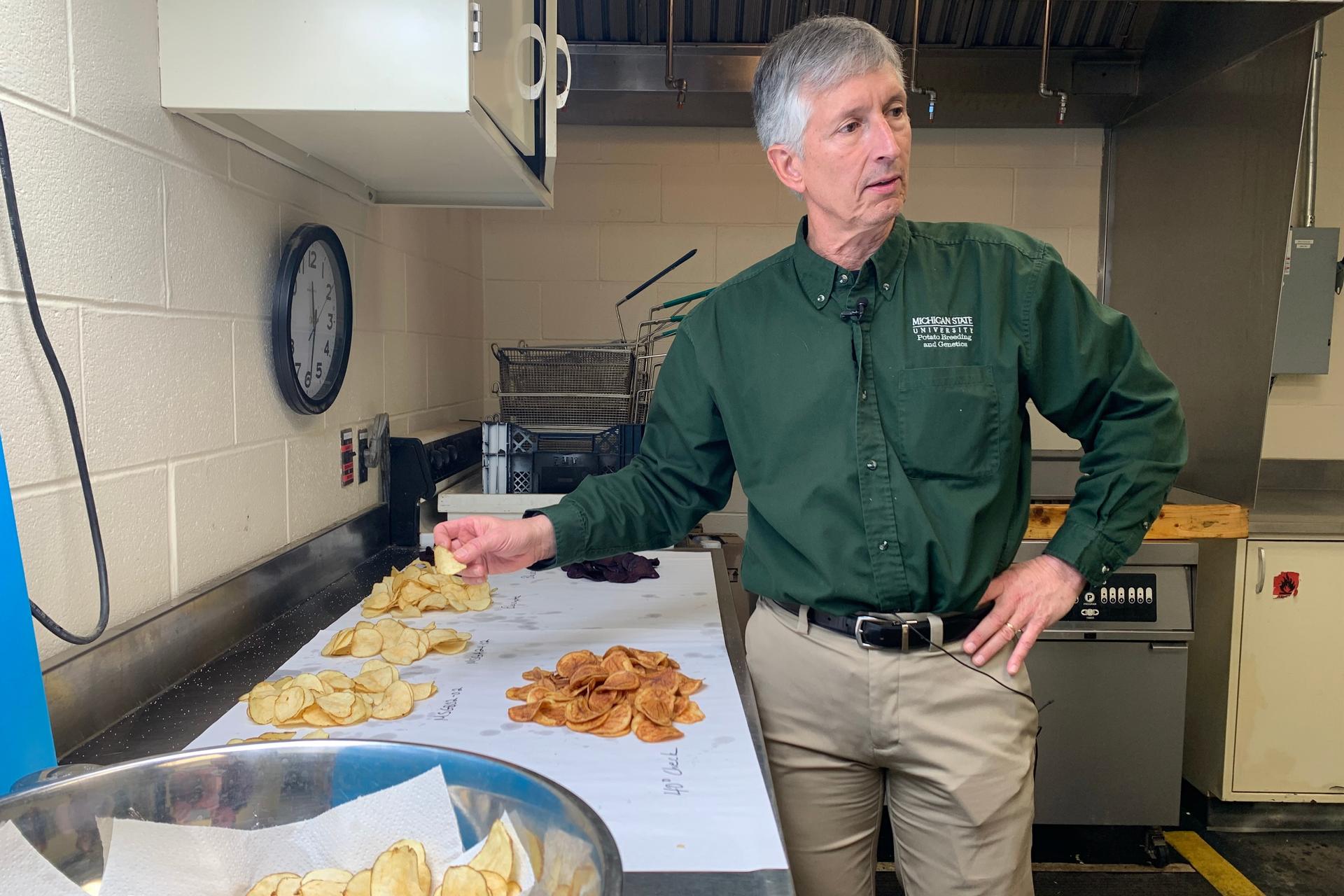
David Douches, a Michigan State University professor who leads the school's Potato Breeding and Genetics Program, holds a potato chip in his hand during a taste testing in March. (AP Photo/Mike Householder)
|
Researchers have spent decades breeding better potatoes for chips, and their work isn’t done
|
There’s a surprising amount of science in a bag of potato chips. Researchers have spent decades developing potatoes for chip makers that can grow in all kinds of climates, avoid diseases and pests, sit in storage for months and still deliver a satisfying crunch. There are about 50 varieties of potatoes used for chips in the U.S. right now.
|
|
|
Please let us know what you think of this newsletter. You can sign up for more and invite a friend here. For news in real time visit APNews.com. - Sallee Ann
|
|
|
|
Please let us know what you think of this newsletter. You can sign up for more and invite a friend here. For news in real time visit APNews.com. - Sallee Ann
|
|
|
|
*Advertisers have no control over editorial decisions or content. If you're interested in advertising, contact us here.
|
|
|
|